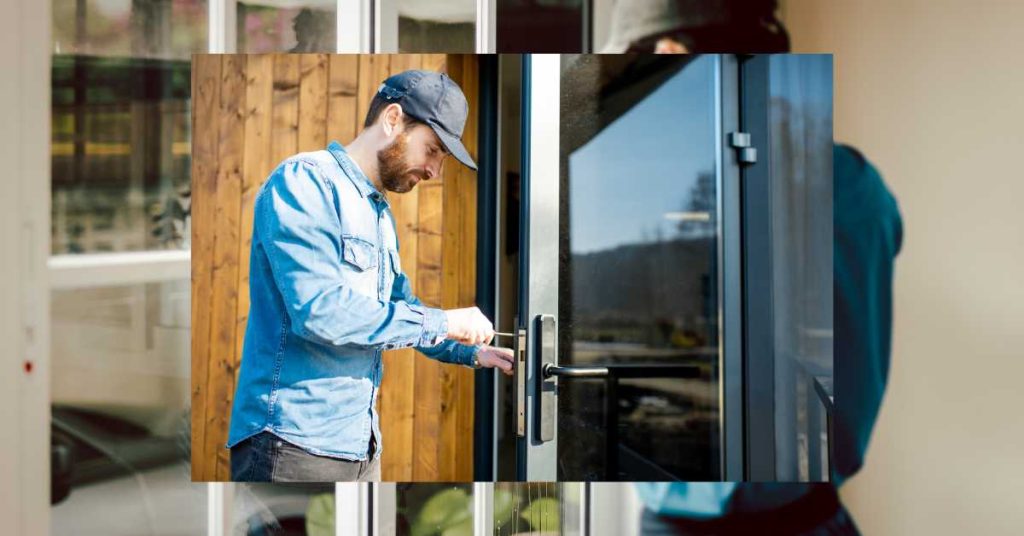
For many businesses, the right door system is not just about looks—it is about durability, security, and compliance. While glass doors dominate storefronts, commercial metal door installation remains the preferred choice for warehouses, schools, healthcare facilities, and back-of-house entrances. These doors are built to withstand high traffic, provide reliable fire resistance, and deliver long-term value with minimal maintenance.
Why Commercial Metal Doors?
Metal doors are designed for environments where safety and resilience come first. Unlike wood or lightweight materials, steel and aluminum assemblies are engineered to endure heavy use, resist impacts, and meet strict building code requirements.
Key Advantages
- Strength and Security – Steel doors resist forced entry and are often paired with heavy-duty frames and locks.
- Fire Protection – Many models come with tested fire ratings, ensuring compliance with safety standards.
- Longevity – Metal doors are corrosion-resistant and built to perform for decades with minimal issues.
- Low Maintenance – Unlike wood, metal won’t warp, crack, or swell with humidity changes.
- Versatility – Available in a variety of finishes, core types, and hardware options for different industries.
The Installation Process
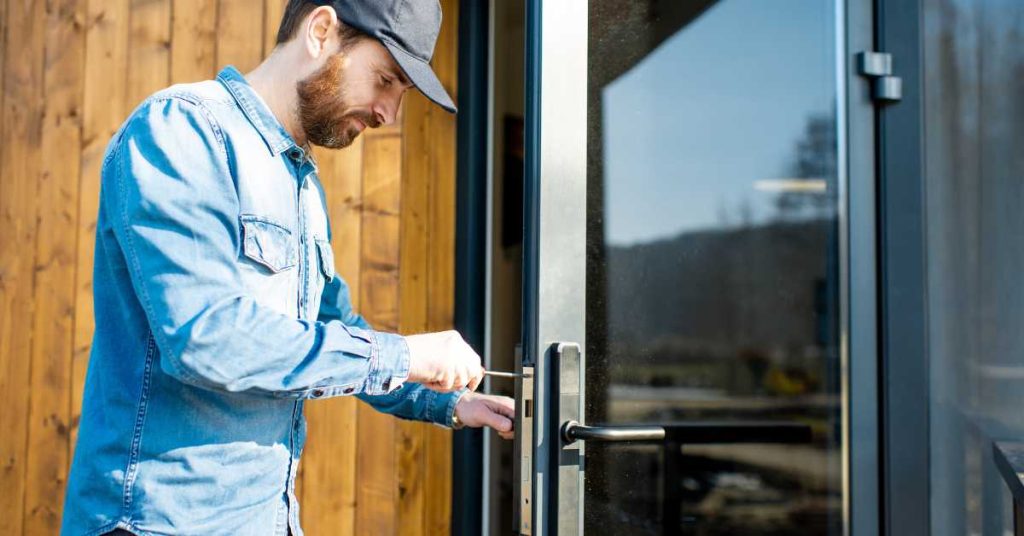
Installing a commercial metal door requires precision. A professional team ensures proper alignment, fire rating integrity, and code compliance.
Steps typically include:
- Pre-Installation Assessment – Checking the structural opening, wall type, and anchoring conditions.
- Frame Installation – Setting welded or knock-down frames plumb and square.
- Door Hanging – Mounting the door leaf with the right hinges (continuous or butt hinges).
- Hardware Integration – Adding locks, closers, panic devices, and access control systems.
- Sealing and Testing – Ensuring smooth swing, correct latch pressure, and fire-rated gasketing.
Common Applications
- Warehouses and Factories – Rugged service doors for secure operations.
- Educational Facilities – Corridor and classroom doors requiring safety and durability.
- Healthcare Buildings – Hygienic and fire-rated solutions for compliance.
- Office Back Entrances – Reliable access doors with added security.
- Mechanical and Utility Rooms – Strong doors with fire ratings where required.
Maintenance Best Practices
- Regularly inspect hinges, locks, and closers for wear.
- Touch up paint or powder-coat finishes to prevent corrosion.
- Lubricate moving parts for smoother operation.
- Check fire labels and hardware functionality annually.
Professional Installation Matters
While metal doors offer superior protection, poor installation can undermine performance, leading to misalignment, code violations, or compromised fire ratings. Working with trusted experts in commercial metal door installation ensures your doors meet all safety standards, perform reliably, and protect your investment.
By choosing properly installed commercial metal doors, businesses gain the assurance of strength, security, and compliance—qualities that matter most in demanding environments.