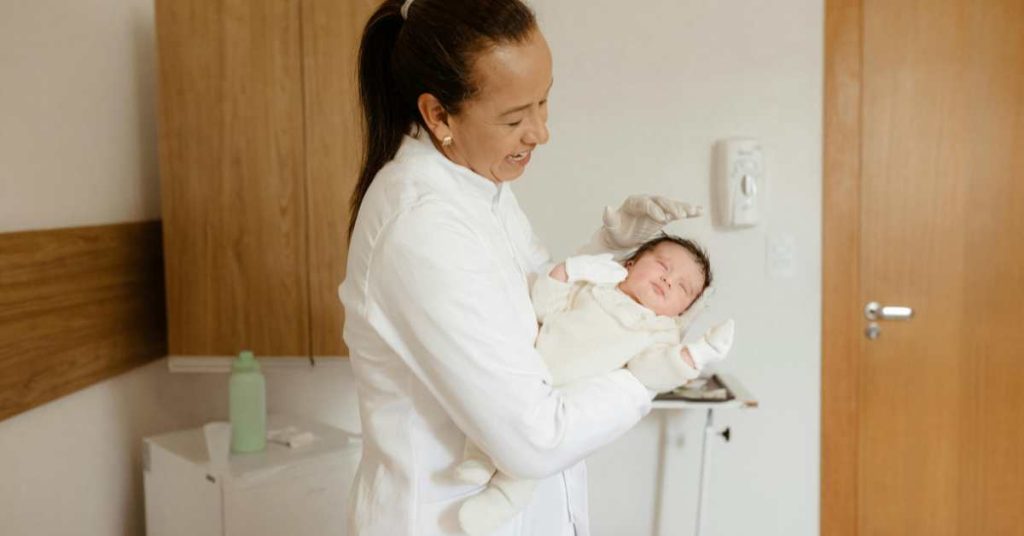
The first year of your baby’s life is filled with countless moments of growth and change. From that very first smile to the excitement of rolling over, sitting up, and eventually taking wobbly steps, every milestone feels magical. Yet behind the scenes, one of the most important aspects of a child’s development happens quietly during scheduled infant doctor visits.
These visits aren’t just routine check-ins—they are essential opportunities for your pediatrician to track growth, administer vaccines, provide guidance, and ensure your little one is thriving. For parents, they also serve as a reliable source of reassurance, answering questions about everything from feeding habits to sleep patterns.
This guide will walk you through the importance of regular infant visits, what to expect during each stage, and how to prepare so you feel confident every time you step into the doctor’s office.
Why Infant Doctor Visits Are So Important
During the first twelve months, babies grow faster than at almost any other point in life. Their weight triples, their brains develop rapidly, and their bodies undergo constant changes. These transformations make consistent checkups vital for:
- Monitoring Growth – Tracking weight, length, and head circumference ensures development stays on track.
- Early Detection – Regular exams allow doctors to identify and address health concerns before they become serious.
- Vaccinations – Protecting infants against diseases like measles, polio, and whooping cough.
- Parental Guidance – Offering advice on nutrition, sleep, safety, and emotional well-being.
- Developmental Tracking – Checking milestones like eye contact, motor skills, and language progress.
Simply put, each visit builds the foundation for lifelong health.
The Typical Schedule of Infant Doctor Visits
Pediatric organizations generally recommend a well-baby visit schedule that includes the following months:
| Age of Baby | Focus of Visit | Key Milestones Checked |
|---|---|---|
| Newborn (3–5 days) | Weight check, jaundice screening, feeding evaluation | Early reflexes |
| 1 month | Growth monitoring, sleep discussion, feeding patterns | Visual tracking |
| 2 months | Vaccines begin, head control evaluation | Smiles, cooing |
| 4 months | Physical exam, more vaccines | Rolling, reaching |
| 6 months | Introduction of solids, growth review | Sitting with support |
| 9 months | Developmental assessment | Crawling, babbling |
| 12 months | First-year vaccines, overall evaluation | Standing, early walking |
This schedule can vary depending on your child’s health, but these visits form the backbone of preventive pediatric care.
What to Expect at Each Visit
Parents often feel anxious before appointments, but understanding what happens can make the experience smoother.
1. Physical Examination
The pediatrician will carefully check your baby’s body, including heart, lungs, eyes, ears, abdomen, and skin. Growth measurements are taken at every visit.
2. Vaccinations
Your baby will receive a carefully timed set of vaccines to protect against dangerous illnesses. Pediatricians explain potential side effects and how to care for your child afterward.
3. Developmental Checks
Doctors observe motor skills, reflexes, social interaction, and communication. These checks ensure your baby is progressing at a healthy pace.
4. Parent Questions
Each visit is a valuable time to ask questions about feeding, sleeping, teething, safety, or behavioral changes.
5. Preventive Guidance
The pediatrician will offer advice on accident prevention, safe sleep, car seat use, and nutrition.
Common Concerns Addressed at Doctor Visits
Parents often share similar worries during the first year. Some common questions include:
- Is my baby gaining weight appropriately?
- Should I worry about frequent night waking?
- How much tummy time is necessary?
- Is my baby teething early?
- When should solids be introduced?
- Why does my baby spit up so often?
Every child is unique, and your pediatrician provides answers tailored to your baby’s needs.
Vaccinations During the First Year
Vaccinations are one of the most important parts of infant visits. They shield your child from diseases that once caused widespread illness. Typical vaccines in the first year include:
- Hepatitis B
- DTaP (diphtheria, tetanus, pertussis)
- Hib (Haemophilus influenzae type b)
- Polio
- Pneumococcal
- Rotavirus
- Influenza (seasonal)
Some parents feel nervous about shots, but pediatricians explain benefits, safety, and side effects to ease concerns.
How to Prepare for Infant Doctor Visits
Being prepared helps reduce stress and ensures your baby gets the best care. Here are some tips:
- Bring your baby’s health records and vaccination card.
- Write down questions or concerns before the appointment.
- Pack extra diapers, wipes, and a change of clothes.
- Bring a favorite toy or blanket for comfort.
- If breastfeeding or formula feeding, note feeding amounts and times.
Arriving prepared allows the visit to run smoothly and helps you feel confident.
Building Trust with Your Pediatrician
Infant visits aren’t only about the baby—they’re about building a relationship between your family and the pediatrician. Trust grows when:
- The doctor listens carefully and respects your concerns.
- Guidance is clear and practical.
- Communication is open, without judgment.
- Follow-up support is available when needed.
A strong partnership with your pediatrician makes parenting less overwhelming and ensures your child gets personalized care.
When to Call Between Visits
While scheduled visits cover most needs, sometimes urgent issues arise. Call your pediatrician if your baby:
- Develops a fever of 100.4°F (38°C) or higher before 3 months old
- Refuses to feed or has persistent vomiting
- Has fewer than 4 wet diapers in 24 hours
- Appears unusually drowsy or unresponsive
- Shows signs of breathing difficulty
- Has a rash with fever or sudden changes in skin color
Prompt communication can prevent serious complications.
Parental Role in Doctor Visits
Your role as a parent is just as important as the pediatrician’s role. By observing your baby daily, you provide critical information during appointments. Keep track of:
- Feeding patterns and appetite changes
- Sleeping duration and behavior
- Milestone progress (rolling, crawling, standing)
- Reactions to vaccinations or medications
This information allows the pediatrician to tailor advice specifically for your baby.
Supporting Your Baby Through Visits
Doctor visits can be stressful for infants, especially when vaccines are involved. You can ease the experience by:

- Holding your baby close during exams or shots
- Speaking softly or singing for comfort
- Offering a pacifier or breastfeeding immediately after vaccines
- Bringing a familiar blanket or toy
These small acts help create a calmer environment for your baby.
Looking Beyond the First Year
While the first 12 months are packed with frequent visits, regular checkups continue throughout childhood. The habits you establish early—keeping appointments, asking questions, and following medical advice—set the stage for long-term health and wellness.
By approaching each visit as a partnership with your pediatrician, you lay the groundwork for years of strong, supportive care.
Final Thoughts
Infant doctor visits are the cornerstone of healthy development in the first year of life. They provide essential medical care, track milestones, and give parents the guidance needed to navigate early childhood. Each appointment is an opportunity not only to monitor health but also to build confidence as a parent.
For a deeper look at what to expect during these checkups, you can explore this resource on infant doctor visits. Preparing ahead, asking questions, and fostering trust with your pediatrician will ensure your baby gets the best start in life.