Food is more than sustenance; it is the foundation of health, dignity, and opportunity. Yet in every community across the world, hunger persists. Families struggle to put meals on the table, children go to school on empty stomachs, and senior citizens face difficult choices between paying for medication or groceries. These challenges are not just statistics—they are daily realities for millions of people. Addressing hunger requires compassion, organization, and a shared sense of responsibility. That is where the Roanoke Food Pantry steps in as a beacon of hope for those in need.
Understanding the Importance of Food Pantries
Food pantries play a vital role in fighting food insecurity. They act as community-driven hubs where donated food is collected, stored, and distributed to individuals and families experiencing hardship. For many, a local food pantry is the only reliable source of groceries during difficult times.
The mission of food pantries extends beyond filling empty shelves. They provide dignity by allowing individuals to choose items that suit their family’s needs, cultural traditions, and dietary requirements. They also build community connections by bringing together volunteers, donors, and beneficiaries in a shared effort to ensure no one goes hungry.
The Story of Roanoke’s Community Spirit
The city of Roanoke, with its rich history and vibrant neighborhoods, has always been known for its sense of community. In times of crisis, people here have consistently shown resilience and compassion. The Roanoke Food Pantry embodies this spirit by creating a safety net for vulnerable populations. It reflects the values of empathy and collective action, ensuring that everyone—regardless of their background or circumstances—has access to nourishing food.
By bridging the gap between surplus and scarcity, the pantry turns donations into lifelines and transforms simple groceries into opportunities for stability and growth.
How the Pantry Works
The operation of a food pantry like Roanoke’s is both practical and inspiring. Donations come from individuals, grocery stores, farmers, and community drives. Volunteers help sort and organize food into categories such as canned goods, fresh produce, proteins, and dry staples. Distribution days are then carefully planned to make sure families receive balanced options.
A typical food pantry might offer:
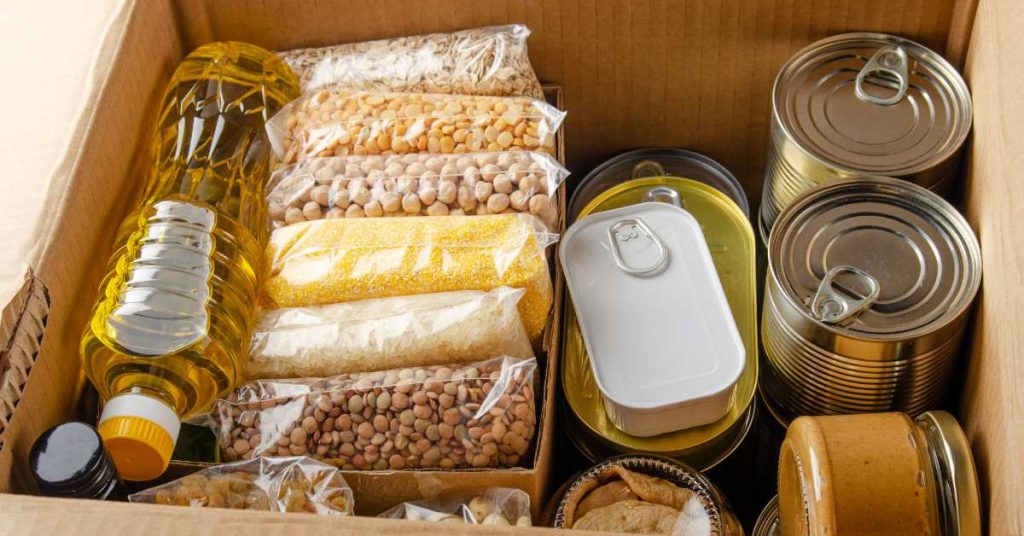
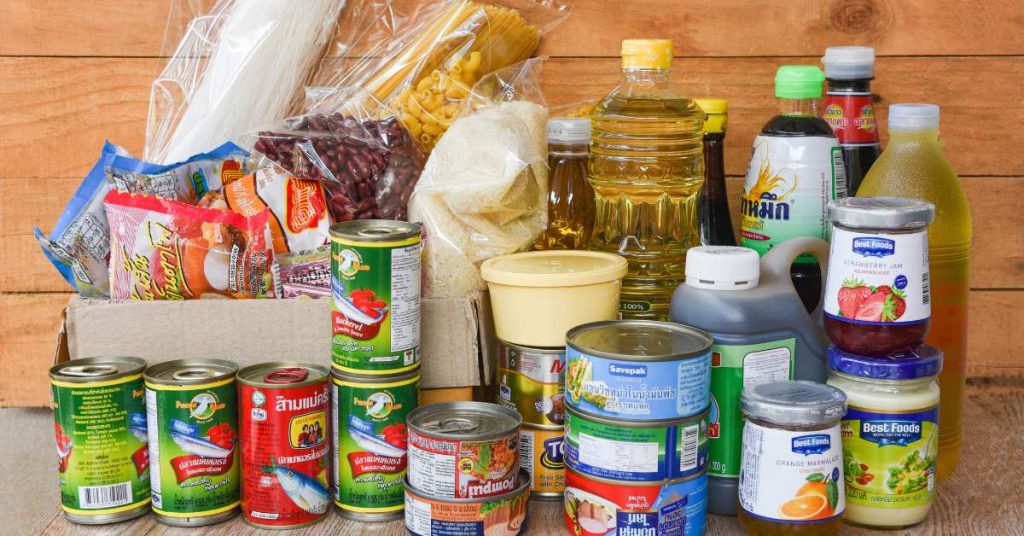
- Non-Perishable Goods – Canned vegetables, beans, rice, pasta, soups, and peanut butter.
- Fresh Produce – Fruits and vegetables from local farms and community gardens.
- Proteins – Meats, dairy products, eggs, and plant-based proteins when available.
- Baby Essentials – Infant formula, baby food, and diapers.
- Household Items – Cleaning supplies, toiletries, and personal care products.
This holistic approach recognizes that food insecurity is often tied to broader financial struggles. Providing household basics alongside meals eases burdens and restores a sense of normalcy.
Example Table of Common Pantry Items
| Category | Examples | Nutritional Value |
|---|---|---|
| Grains | Rice, pasta, oats, whole wheat bread | Carbohydrates, fiber, essential energy |
| Proteins | Canned beans, tuna, peanut butter | Protein, healthy fats, iron |
| Produce | Apples, carrots, leafy greens | Vitamins, minerals, antioxidants |
| Dairy | Shelf-stable milk, cheese, yogurt | Calcium, vitamin D, protein |
| Baby Essentials | Formula, baby cereal, jarred fruits | Tailored nutrition for infants |
The Human Impact
Every statistic about hunger represents real lives. Imagine a single mother working two jobs to support her children, yet still struggling to afford groceries by the end of the month. Or consider a retired couple living on a fixed income, facing rising medical bills alongside the costs of food. For them, the Roanoke Food Pantry is more than a charitable service—it is a lifeline.
Children benefit most directly. Studies show that food insecurity impacts not only physical health but also academic performance and emotional well-being. Access to nutritious food through a pantry ensures that children can grow, learn, and thrive.
Families who visit food pantries often describe feelings of relief and gratitude, knowing they are not alone. Beyond the meals, they receive hope, dignity, and encouragement.
The Role of Volunteers
None of this would be possible without volunteers. The heart of the Roanoke Food Pantry lies in the dedication of those who give their time to unload trucks, stock shelves, prepare food boxes, and greet visitors with kindness.
Volunteering also creates a sense of purpose for participants. Retirees, students, professionals, and families all come together with one mission: to fight hunger. Their combined efforts transform simple tasks into meaningful contributions that strengthen the entire community.
Educational and Outreach Programs
Modern food pantries are evolving to do more than distribute food. Many now provide education on nutrition, cooking, and budgeting. Workshops may include lessons on how to prepare healthy meals with pantry staples, stretch groceries further, or manage limited household resources effectively.
The Roanoke Food Pantry also participates in outreach efforts that connect clients with additional services such as healthcare referrals, housing assistance, or job training programs. By addressing the root causes of food insecurity, the pantry contributes to long-term solutions rather than short-term fixes.
Building Partnerships for Greater Impact
The fight against hunger requires collaboration. The Roanoke Food Pantry works with local farms, grocery stores, restaurants, and nonprofit organizations to create a network of support. Farms contribute fresh produce, grocery stores donate surplus items, and restaurants may organize fundraising events.
Schools and community groups also play a role by hosting food drives and raising awareness. These partnerships extend the pantry’s reach, ensuring that resources are maximized and waste is minimized.
Food Security as a Human Right
The idea that access to food is a fundamental human right underpins the work of food pantries. In a society where plenty coexists with poverty, initiatives like the Roanoke Food Pantry highlight the importance of compassion and fairness. Ensuring that all people can eat well is not only an act of charity but also a moral obligation that reflects the best of human values.
How Communities Can Support the Pantry
Supporting a food pantry can take many forms. Community members can:
- Donate Food – Non-perishable staples and fresh produce are always in demand.
- Provide Financial Support – Monetary donations help purchase items in bulk and fill gaps in supply.
- Volunteer Time – Sorting, distribution, and outreach require many hands.
- Host Food Drives – Schools, workplaces, and places of worship can organize collection efforts.
- Spread Awareness – Sharing the pantry’s mission helps reduce stigma and encourages those in need to seek help.
Even small actions add up to make a meaningful difference. A single can of beans or a few hours of volunteering may seem minor, but collectively, they can feed countless families.
Inspiring Stories of Change
Across the nation, food pantries have countless stories of resilience and gratitude. Parents talk about the joy of seeing their children eat without worry. Volunteers share how the experience has deepened their empathy. Donors describe the satisfaction of knowing their contributions directly impact neighbors in need.
The Roanoke Food Pantry captures this spirit daily, reminding everyone that kindness has a ripple effect. When one person helps another, the entire community grows stronger.
Looking Ahead
The future of food pantries will depend on innovation, commitment, and community engagement. As food insecurity continues to evolve with economic changes, organizations must adapt by expanding services, embracing technology for distribution, and advocating for policies that address systemic causes.
The Roanoke Food Pantry stands as a model of what is possible when compassion meets organization. Its work ensures that the fight against hunger is not just about charity but about building a society where everyone has the opportunity to thrive.
Final Thoughts
Hunger may be a complex problem, but solutions begin with simple acts of generosity. By supporting the Roanoke Food Pantry, individuals and organizations are not only providing meals—they are fostering dignity, community, and hope.
Food is more than nourishment; it is the foundation of life. And through the commitment of dedicated volunteers, donors, and community members, the Roanoke Food Pantry continues to uphold the promise that no one should go to bed hungry.