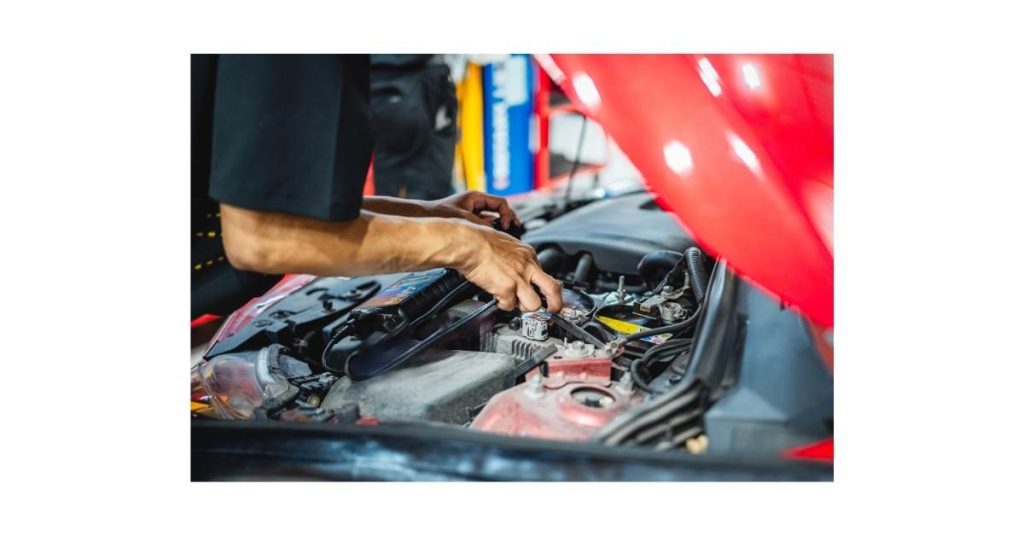
Oils & Fluids: The Lifeblood of Vehicle Performance and Maintenance
Proper maintenance of a vehicle extends far beyond visible components like tires or brakes. The real unsung heroes of engine efficiency, safety, and durability are oils and fluids. These substances lubricate, cool, and protect critical systems, ensuring smooth operation under a variety of conditions. Neglecting them can result in decreased performance, costly repairs, and reduced vehicle lifespan. Understanding the types, functions, and maintenance schedules for oils and fluids empowers car owners to safeguard their investments while enhancing reliability and efficiency on the road.
Engine Oils: Core to Vehicle Health
Engine oil is arguably the most vital fluid in a vehicle. Its primary role is to lubricate moving engine parts, reducing friction and preventing wear. High-quality engine oils also aid in heat dissipation, preventing overheating and potential engine damage. Modern engines often require synthetic or semi-synthetic oils to meet performance standards, particularly in vehicles with turbochargers or high compression systems. Selecting the right viscosity and specification is critical for maintaining engine efficiency and long-term health. Regular oil changes at recommended intervals ensure that engines continue to operate smoothly and reliably.
Transmission Fluids and Smooth Gear Shifting
Transmission fluid is essential for vehicles with automatic or semi-automatic gearboxes. This fluid lubricates internal components, facilitates smooth gear changes, and maintains hydraulic pressure for proper operation. Low or degraded transmission fluid can cause gear slipping, overheating, and premature transmission wear. Routine checks and fluid replacements according to manufacturer recommendations preserve the performance and extend the lifespan of transmission systems, preventing costly repairs and downtime.
Brake Fluids and Driving Safety
Brake fluid is a high-performance hydraulic fluid that transfers force from the brake pedal to the braking system. Maintaining the correct fluid level and replacing it periodically is critical to vehicle safety. Contaminated or degraded brake fluid can absorb moisture, reducing braking efficiency and increasing the risk of brake failure. Regular inspection, bleeding, and replacement of brake fluid ensure consistent stopping power, protecting drivers, passengers, and pedestrians alike.
Coolants and Engine Temperature Management
Coolants, also known as antifreeze, regulate engine temperature by transferring heat away from critical components. They prevent overheating during high-temperature conditions and protect against freezing in colder climates. Modern coolant formulations also include corrosion inhibitors that safeguard radiators, water pumps, and metal engine parts. Maintaining the proper coolant concentration and performing regular system flushes prevents leaks, overheating, and component failure, preserving engine integrity and operational efficiency.
Power Steering and Hydraulic Fluids
Power steering fluid reduces friction within steering components, providing smoother, easier control of the vehicle. Low fluid levels or contamination can result in noisy, stiff steering and even potential pump damage. Similarly, hydraulic fluids are used in other vehicle systems, such as convertible roof mechanisms or clutch operations, to ensure responsive performance. Proper maintenance of these fluids keeps steering and auxiliary hydraulic systems functioning reliably and safely.
Windshield Washer Fluids and Visibility
While not directly related to mechanical performance, windshield washer fluid plays an essential role in driving safety. It allows drivers to maintain clear visibility by removing dirt, debris, and smudges from the windshield. Specialized formulations prevent freezing in cold climates and provide streak-free cleaning. Maintaining an adequate supply ensures safe operation under adverse weather conditions.
Oil and Fluid Maintenance Best Practices
Routine maintenance of oils and fluids is crucial for vehicle longevity. Vehicle manufacturers provide recommended schedules for oil changes, fluid inspections, and replacements. Following these guidelines prevents breakdowns, enhances efficiency, and reduces the likelihood of unexpected repair costs. Keeping fluids clean, topped up, and using products that meet manufacturer specifications protects critical systems from wear, corrosion, and operational failure.
Choosing the Right Products for Your Vehicle
Selecting the correct oils and fluids is essential for optimal performance. Not all oils or fluids are compatible with every vehicle type or engine specification. Using inappropriate products can damage components, void warranties, or reduce efficiency. Trusted automotive platforms provide guidance on product selection based on vehicle make, model, and intended use. Accessing reliable resources like Oils & Fluids ensures that owners can make informed decisions about the best products for their vehicles.
Environmental Considerations and Responsible Disposal
Used oils and fluids can pose environmental hazards if not handled correctly. Many automotive shops and recycling centers accept used oils and coolant for proper disposal or recycling. Responsible handling reduces pollution and promotes sustainability. Choosing eco-friendly fluid options when available also contributes to lower environmental impact without compromising vehicle performance.
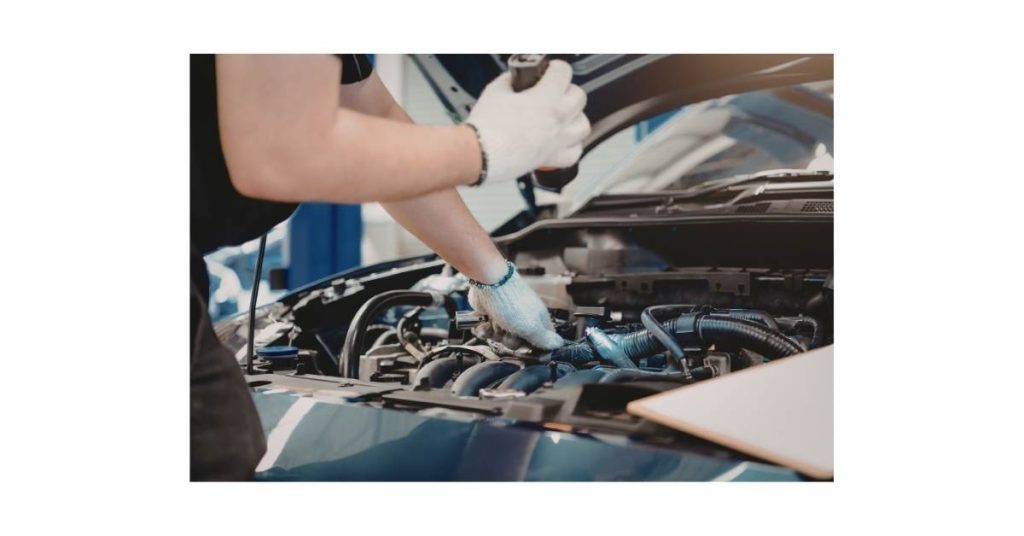
Understanding Fluid Levels and System Checks
Regularly checking fluid levels is an essential part of vehicle care. Engine oil, coolant, brake fluid, transmission fluid, and power steering fluid should be monitored to ensure they remain within safe operating ranges. Visual inspections and dipstick checks allow drivers to detect leaks, contamination, or degradation early. Proactive monitoring prevents potential failures and maintains overall vehicle reliability.
Fluid Performance in Extreme Conditions
Vehicle oils and fluids must perform reliably under extreme temperatures, heavy loads, and prolonged driving. Synthetic oils, high-performance brake fluids, and specialized coolants are engineered to withstand such conditions. Selecting products rated for extreme use ensures consistent performance, whether driving in scorching heat, freezing cold, or towing heavy loads. Performance-grade fluids protect engines and systems when conditions push the vehicle beyond ordinary operating environments.
The Role of Fluids in Fuel Efficiency and Engine Longevity
Properly maintained oils and fluids contribute directly to fuel efficiency. Clean, high-quality engine oil reduces friction, allowing the engine to operate more efficiently and consume less fuel. Similarly, well-maintained transmission fluid ensures smooth shifting, reducing energy loss. Overall, keeping fluids in optimal condition supports both performance and economy, offering long-term benefits to vehicle owners.
Integrating Oils & Fluids into Routine Vehicle Care
Incorporating fluid checks and replacements into routine maintenance schedules is critical for preventive care. Regular oil changes, coolant flushes, and brake fluid replacements are not optional but necessary actions for responsible vehicle ownership. By integrating these practices, drivers can prevent costly mechanical issues, maintain optimal performance, and enhance safety for themselves and passengers.
Supporting Informed Choices and Product Reliability
With so many fluid types and brands available, informed purchasing decisions are essential. Trusted resources provide reviews, compatibility information, and guidance on usage, helping drivers select reliable products. Platforms like Oils & Fluids offer curated selections and practical advice, ensuring that vehicle owners invest in high-quality, manufacturer-recommended solutions that protect their cars over the long term.
Conclusion: Prioritizing Fluids for Vehicle Health
Oils and fluids are the lifeblood of vehicles, influencing engine performance, system reliability, and overall longevity. Drivers who prioritize proper maintenance, product selection, and regular checks enjoy smoother, safer, and more efficient vehicles. By understanding the functions, importance, and best practices for oils and fluids, owners can protect their investments, enhance performance, and ensure long-term reliability on every journey.