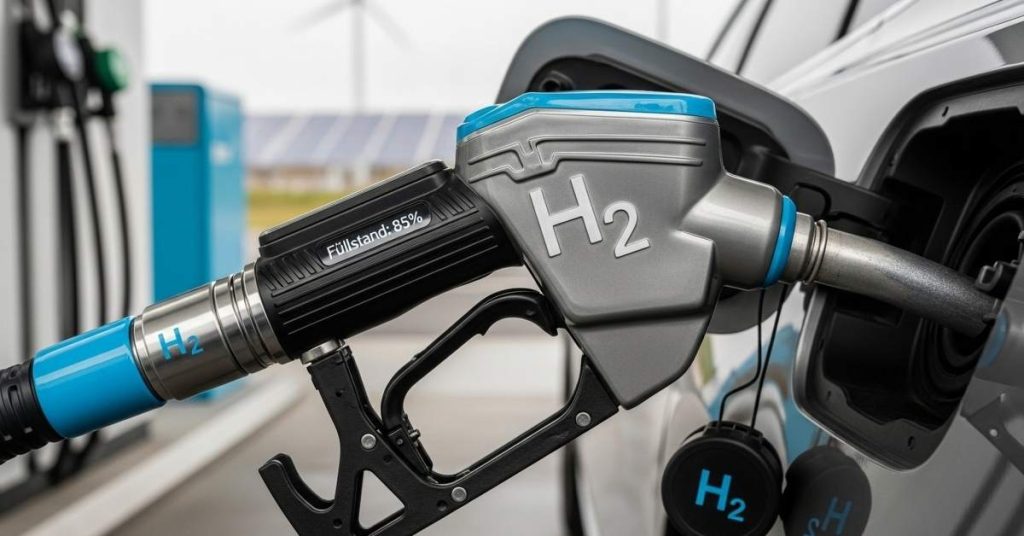
The Rise of Electric Vehicle Adoption Worldwide
Electric Vehicle adoption has accelerated rapidly as global awareness of environmental sustainability and fuel efficiency continues to grow. Governments, manufacturers, and consumers are shifting focus toward cleaner transportation alternatives that reduce emissions and dependency on fossil fuels. Unlike conventional vehicles, electric-powered models rely on advanced battery systems and electric motors, offering a quieter and smoother driving experience. This transition is not only reshaping the automotive industry but also influencing infrastructure development, energy policies, and consumer behavior on a global scale.
As urban populations expand and air quality concerns increase, electric mobility is becoming a practical solution rather than a futuristic concept. Improved charging networks, better battery performance, and competitive pricing have made electric-powered vehicles more accessible. Understanding how this technology works helps consumers evaluate long-term benefits and make informed decisions about modern transportation.
How Electric Vehicles Work Compared to Traditional Cars
An Electric Vehicle operates using an electric motor powered by rechargeable batteries instead of an internal combustion engine. Energy stored in the battery is converted into motion through precise electronic control systems. This eliminates the need for fuel combustion, significantly reducing carbon emissions and mechanical complexity. Fewer moving parts result in lower maintenance requirements and improved efficiency.
Traditional vehicles rely on engines that generate power through burning fuel, producing exhaust gases and heat loss. Electric-powered systems convert a higher percentage of energy into usable motion, making them more efficient. Regenerative braking further enhances efficiency by capturing energy during deceleration. This fundamental difference highlights why electric mobility is considered a cleaner and more advanced alternative.
Battery Technology and Driving Range
Battery performance is a defining factor in the usability of electric-powered vehicles. Modern lithium-ion batteries are designed to deliver higher energy density, longer lifespan, and faster charging times. Improvements in thermal management systems ensure consistent performance across different climates and driving conditions. As battery technology evolves, driving range continues to increase, addressing one of the earliest concerns among consumers.
Range capability varies depending on vehicle design, battery capacity, and driving habits. Efficient energy management systems optimize power usage, extending travel distance on a single charge. Understanding battery specifications and real-world performance helps drivers choose models that align with their daily commute and long-distance travel needs.
Charging Infrastructure and Convenience
Charging accessibility plays a crucial role in the widespread adoption of electric mobility. Home charging solutions offer convenience, allowing vehicles to recharge overnight. Public charging stations, including fast-charging options, support longer journeys and reduce downtime. As infrastructure expands, charging networks are becoming more reliable and widespread.
Fast-charging technology significantly reduces charging time, making electric travel more practical for busy lifestyles. Smart charging systems also optimize energy usage by adjusting charging rates based on grid demand. This integration between vehicles and energy infrastructure enhances efficiency and supports sustainable power consumption patterns.
Environmental Impact and Emission Reduction
One of the most compelling advantages of electric-powered transportation is its reduced environmental impact. By eliminating tailpipe emissions, these vehicles contribute to improved air quality, particularly in densely populated urban areas. Lower greenhouse gas emissions support global efforts to combat climate change and promote cleaner living environments.
The overall environmental footprint also depends on electricity generation sources. As renewable energy adoption increases, the sustainability benefits of electric mobility become even more significant. Lifecycle assessments show that, over time, electric-powered vehicles produce fewer emissions compared to traditional alternatives, reinforcing their role in a greener future.
Cost Efficiency and Long-Term Savings
While the initial purchase price of an Electric Vehicle may be higher than conventional models, long-term savings often offset this difference. Lower fuel costs, reduced maintenance expenses, and government incentives contribute to overall affordability. Electric motors require less frequent servicing, and the absence of oil changes and exhaust systems reduces ongoing costs.
Energy efficiency further enhances savings, as electricity is generally more cost-effective than fuel. Over the lifespan of the vehicle, these financial benefits can be substantial. Evaluating total ownership cost rather than upfront price provides a clearer picture of economic value.
Driving Experience and Performance Benefits
Electric-powered vehicles offer a unique driving experience characterized by instant torque and smooth acceleration. The absence of gear shifts results in seamless power delivery, enhancing comfort and control. Quiet operation reduces noise pollution and contributes to a more relaxed driving environment.
Advanced vehicle dynamics and low center of gravity improve handling and stability. Many drivers appreciate the responsive nature of electric propulsion, which enhances both city driving and highway performance. These attributes demonstrate that sustainability does not require sacrificing driving enjoyment.
Maintenance Requirements and Reliability
Maintenance simplicity is another advantage of electric mobility. With fewer mechanical components, there are fewer parts subject to wear and failure. Routine maintenance focuses on battery health, tires, and braking systems rather than complex engine components.
Regenerative braking reduces brake wear, extending component lifespan. Software updates also play a role in maintaining performance, allowing manufacturers to improve efficiency and features remotely. This combination of mechanical simplicity and digital optimization enhances long-term reliability.
Electric Vehicles and Smart Technology Integration
Modern electric-powered models are closely integrated with smart technologies that enhance usability and efficiency. Advanced infotainment systems, real-time energy monitoring, and intelligent navigation optimize route planning and charging strategies. Connectivity features allow drivers to manage charging schedules and monitor vehicle status remotely.

These digital integrations transform the vehicle into a connected mobility platform. Data-driven insights help drivers maximize range and efficiency while improving overall convenience. As technology advances, smart features will continue to define the electric driving experience.
Safety Features and Structural Design
Safety is a key consideration in electric vehicle design. Battery placement often lowers the center of gravity, reducing rollover risk. Reinforced structures protect occupants and battery systems in the event of a collision. Advanced driver-assistance systems further enhance safety by supporting collision avoidance and lane management.
Electric-powered vehicles undergo rigorous testing to meet safety standards. Continuous advancements in sensor technology and software contribute to improved driver awareness and protection. These features ensure that sustainability and safety go hand in hand.
Market Growth and Consumer Awareness
Consumer perception of electric mobility has evolved significantly over the years. Increased awareness of environmental benefits, combined with improved technology, has driven market growth. Manufacturers are expanding model offerings across different segments, catering to diverse preferences and budgets.
Educational resources play an important role in building confidence among potential buyers. Platforms like Electric Vehicle provide valuable insights into trends, innovations, and practical considerations, helping consumers navigate the evolving landscape of electric mobility.
Challenges and Ongoing Innovations
Despite rapid progress, challenges such as charging availability, battery recycling, and production costs remain. Industry stakeholders are actively addressing these issues through research and innovation. Advances in solid-state batteries, recycling technologies, and renewable energy integration promise to overcome existing limitations.
Collaboration between governments, manufacturers, and energy providers is essential for continued growth. As solutions emerge, electric mobility will become even more accessible and sustainable, reinforcing its role in the future of transportation.
The Future Outlook of Electric Mobility
The future of transportation is increasingly electric, driven by technological advancements and environmental priorities. Policy support, infrastructure development, and consumer acceptance are aligning to accelerate this transition. Electric-powered vehicles are expected to play a central role in reducing global emissions and reshaping mobility systems.
Staying informed through trusted sources such as Electric Vehicle helps individuals and businesses understand emerging trends and opportunities. As innovation continues, electric mobility will redefine how people travel, delivering efficiency, sustainability, and performance for generations to come.